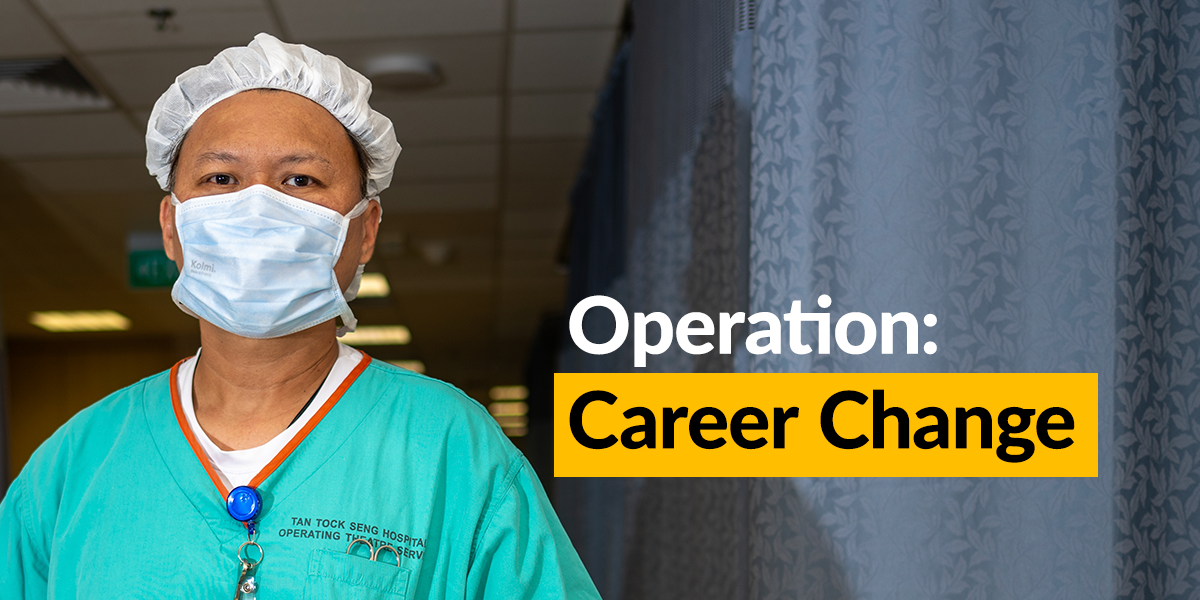
Navigating a Career Switch: A Guide for Professionals in Singapore

Are you thinking about making a career switch? You’re not the only one. Many professionals, at various stages in their careers, find themselves yearning for a change. Whether it’s for greater career satisfaction, a desire to align work with personal values, or simply to take on a fresh challenge, it’s never too late to make a change.
That being said, the prospect of leaving everything behind and starting afresh can be daunting. Luckily, with the right mindset and a clear-cut strategy, you can transform this period of uncertainty into an opportunity for growth and fulfillment.
Ready to learn more? We’re here to equip you with an actionable guide to making a career switch, from understanding your motivations to building a compelling resume and networking with confidence.
The Motivation and Benefits of Making a Career Switch
Why Make a Career Switch in Singapore?

There are many reasons why people switch careers, ranging from personal to professional. Some common ones include:
1. Personal Fulfillment
Going through the daily grind without a sense of purpose and fulfillment can take a toll on your mental health and work performance over time. In this case, it may be time to consider looking for a more meaningful job that aligns with your values and goals. This career switch could be just what you need to reignite your passion, rediscover your purpose, and achieve greater job satisfaction.
2. Adaptation to Market Changes
Due to rapid technological advancements and shifting market needs, the Singaporean job market is constantly evolving. For instance, the increasing digitalisation of everyday tasks, from online shopping to digital banking, has made cybersecurity one of the most promising industries for job seekers in recent times. Making a well-timed career switch will allow you to capitalise on these opportunities, future-proof your career, and secure a more promising future.
3. Work-Life Balance
Sometimes, a career change is more than the work itself. It might mean finding a role with flexible hours or a less stressful environment, helping you strike a healthier balance between your job and personal life.
4. Long-Term Career Growth
A strategic career change might open doors to new opportunities, higher earning potential, and greater job satisfaction. Whether it’s moving into a fast-growing industry or taking on a role with a clear progression path, this switch could be the key to unlocking your long-term goals.
Common Challenges and How to Overcome Them
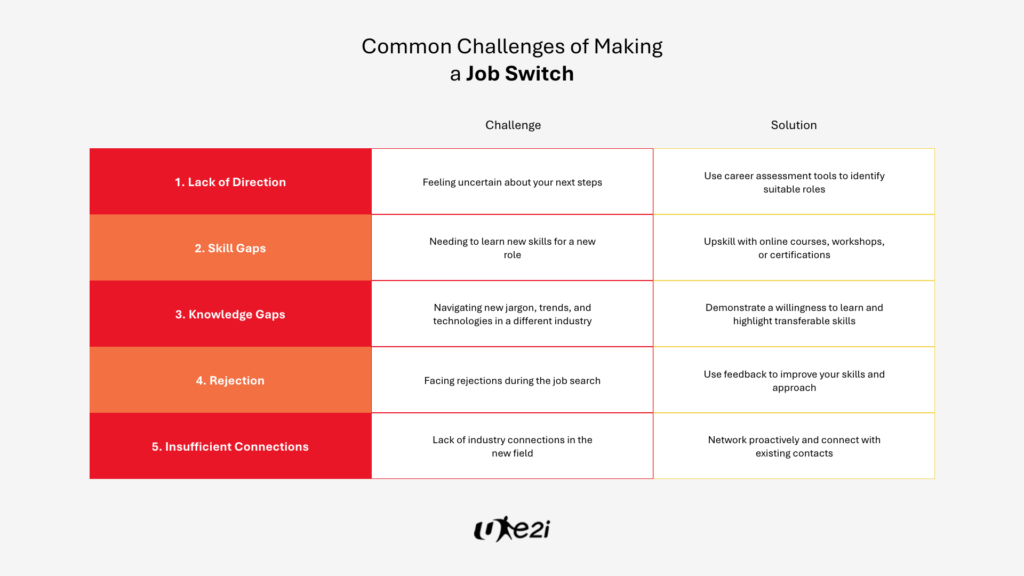
Despite all the perks of making a career switch, there are also many challenges and obstacles to consider.
1. Lack of Direction
Feeling uncertain about where to start when switching careers is completely normal. If you’re unsure which path to take, career assessment tools can provide some much-needed clarity and direction. The RIASEC model, for example, categorises individuals into six personality types based on their interests and values. Realistic (R) types tend to be hands-on and practical, thriving in roles in engineering or construction. In contrast, the naturally empathetic Social (S) types may excel in healthcare, education, or social work.
Understanding your RIASEC profile can help you gain valuable insights into careers that would fit you well. This can help you narrow down your options and make more confident, informed decisions about your next steps.
2. Skill Gaps
A career switch often means stepping into unfamiliar territory, which may require you to learn new skills to succeed in your desired role. These could include technical skills like programming, data analysis, or mastering industry-specific software.
The good news is that professional development can bridge these gaps. With plenty of professional upskilling options, from online courses and workshops to formal certifications, you can enhance your career resilience and gain the expertise needed to succeed.
3. Knowledge Gaps
The good news is that professional development can bridge these gaps. With plenty of professional upskilling options, from online courses and workshops to formal certifications, you can enhance your career resilience and gain the expertise needed to succeed.
4. Initial Rejection
Rejection can sting, but it’s all part of the job hunt. It’s important not to let it discourage you! Instead, you should use the feedback to refine your approach, polish your skills, and keep pushing forward.
5. Insufficient Connections
When making a career switch, it’s common to lack valuable connections in your new industry. The solution is simple—networking. Take a proactive approach and attend industry events, career fairs, and seminars to meet people. Don’t forget to tap into your existing network as well, as a connection you already have could introduce you to someone in your desired field.
Crafting Your Career Switch Strategy

If you’ve decided to make a career switch, it’s time to get practical. A successful job change requires a clear plan and thoughtful strategies. This section will take you through building a standout resume, mastering networking techniques, and using all the career resources available to ensure your transition is as smooth and rewarding as possible.
Building a Winning Resume for a Career Change
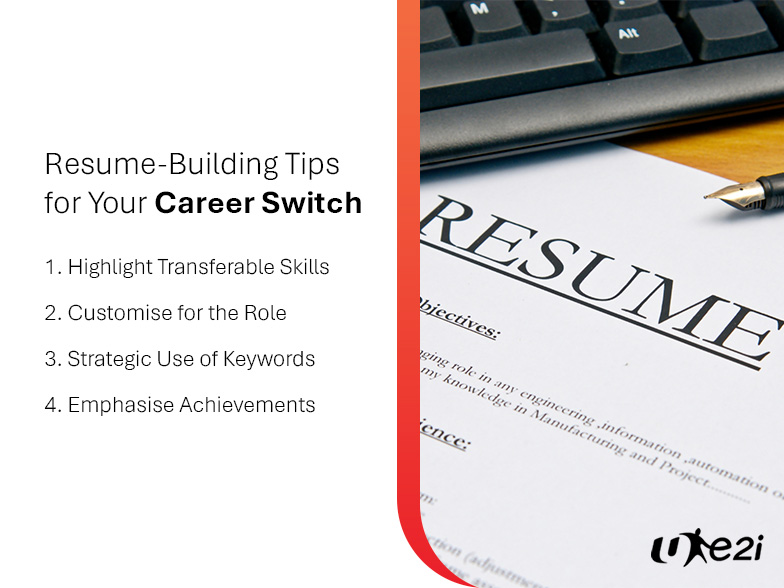
Your resume is your ticket to landing a job in your new field. Making it stand out is essential, especially when transitioning to a different industry where your past experience might not align perfectly.
1. Highlight Transferable Skills
When making a career switch, focus on transferable skills—qualities that apply across industries. Skills like leadership, teamwork, problem-solving, and effective communication are universally valued by employers. For example, let’s say you’re transitioning from a sales role to a career in marketing. You might not have direct marketing experience, but your ability to understand customer pain points and analyse market trends will be highly relevant.
2. Customise for the Role
A one-size-fits-all resume no longer cuts it, especially in today’s hypercompetitive job market. Tailoring your resume for each role shows hiring managers that you’ve taken the time to customise your skills and experiences with what they’re looking for.
Start by carefully reading the job description and identifying the key qualifications and skills the employer values. Then, refine your resume to reflect those requirements. For example, if the role emphasises project management, highlight your experience leading successful projects, even if they weren’t in the same industry.
3. Strategic Use of Keywords
Did you know that 75% of companies use applicant tracking systems (ATS) to screen resumes before they even reach a hiring manager? To pass this initial filter, it’s crucial to include the right keywords from the job description. For instance, if a job posting mentions “content strategy,” “SEO,” or “digital campaigns,” try to incorporate these phrases naturally in your resume.
4. Emphasise Achievements
Employers want to see the impact you made. Focusing on measurable achievements will prove your value and set you apart from other candidates.
Let’s say you’re a hiring manager for an operations manager role. Which of these statements grabs your attention?
- “Handled supply chain operations and ensured timely deliveries.”
- “Redesigned supply chain processes, reducing delivery times by 15% and saving the company $60,000 annually.”
The second statement clearly demonstrates specific contributions and results, showing the candidate’s ability to drive efficiency and deliver measurable value, which is exactly what employers are looking for.
That said, crafting a standout resume that lands you interviews is often easier said than done. If you need an extra boost, don’t hesitate to seek support. Consider meeting a career coach to receive professional advice on improving your resume skills. This will refine your approach and give you the confidence boost you need.
Tips for Effective Networking

Networking is one of the most powerful tools you can have during a career switch. It opens doors to new opportunities, offers valuable insights, and connects you with people who can help guide your journey. Here are some simple tips you can follow:
1. Utilise LinkedIn
As the top professional networking platform, LinkedIn is a must-have when making a career switch. In your profile, highlight both hard and soft skills, career goals, and relevant experience, even if it’s from a different industry. Next, connect with people in your target field, including hiring managers, industry thought leaders, or even peers who have made similar transitions. Finally, engage with relevant posts—this will help you become more visible to those who can provide valuable connections, advice, and mid-career opportunities.
2. Join Professional Associations
Joining professional associations will not only boost your credibility but also give you access to the latest trends, job listings, and networking opportunities. These groups also often host events, provide industry-specific training, and offer exclusive resources to help you stay informed as you navigate your career switch.
3. Ask for Informational Interviews
Don’t hesitate to reach out to professionals who are already working in your desired field. Informational interviews are a fantastic way to learn more about the industry, gain valuable insights, and build connections. It’s a low-pressure way to gather information and start forming relationships that could lead to job opportunities or mentorship. Plus, you’ll be surprised at how most people are happy to share their experiences and advice, especially if it helps someone on their career path.
Resources Available and How to Make Use of Them

You don’t need to make a career switch alone. There are plenty of resources available both in-person and online to support you every step of the way.
1. Online Learning Platforms
Want to acquire new skills that align with your career switch? Websites like Coursera, LinkedIn Learning, and Skillshare offer courses in a wide range of fields, enabling you to learn new skills that align with your career change. Whether you’re looking to master digital marketing, project management, or data analysis, many of these platforms offer free courses or trial periods, allowing you to learn at your own pace and without breaking the bank.
2. Career and Employability Services
If you need professional guidance and support, consider seeking help from career guidance providers like e2i. Here, you can benefit from services like career coaching and job-matching—all tailored to your unique situation.
Career Coaching
A career coach can be a valuable source of support during major transitions. They’ll help you assess your strengths, interests, and goals, guiding you to make informed decisions that align with your personal and professional aspirations. Their personalised advice brings clarity during uncertain times, boosting your confidence as you navigate the change. e2i offers both in-person and online career coaching sessions, giving you the flexibility to receive support whenever and wherever it’s most convenient for you.
Job-Matching Services
One of the most time-consuming aspects of a career switch is identifying the right job opportunities. e2i’s job-matching services simplify this by connecting you directly with employers who are actively looking for the skills you possess. Say goodbye to the countless hours sifting through endless job listings; job-matching ensures that your applications go to the right employers, saving you time and boosting your chances of landing your dream role.
Interview Practice
Even after you’ve made it to the interview stage, preparing for the big day can still feel nerve-wracking. That’s where platforms like e2i’s AI Interviewer come in. By simulating real-life interview scenarios and offering feedback, you can practice your responses, refine your approach, and feel more confident when meeting with potential employers. These mock interviews will be a game-changer when it comes to impressing hiring managers and standing out from the other candidates.
Common Concerns When Making a Career Switch
How long does it take to switch careers?
The timeline varies depending on the amount of upskilling required and the competitiveness of your target industry. On average, a career change can take anywhere from a few months to a year, especially if you need to gain new skills or certifications. Of course, getting professional help and leveraging available resources can greatly shorten the timeline and make a more efficient transition.
How can I stay motivated when changing careers?
It’s easy to get discouraged during a difficult job hunt and career change. However, having a clear strategy can help. Set clear, manageable goals and break the process into smaller steps. Keep a positive mindset, and celebrate small wins along the way. Finally, don’t hesitate to ask for support from peers, mentors, or career coaches—they can keep you on track during moments of doubt.
How do I gain experience in my new career?
Gaining hands-on experience in your new field will significantly enhance your chances of employment. Look for volunteer opportunities, internships, or part-time roles aligning with your target industry. These roles allow you to learn on the job, build new skills, and create a portfolio that showcases your work.
Conclusion
While a career switch may come with its fair share of challenges, overcoming these hurdles can unlock a whole new world of opportunities. Embrace the journey, stay resilient, and remember that every challenge you face is a stepping stone towards personal and professional growth.
At e2i, we’re here to provide the career transition support you need. With expert coaching, job-matching services, and valuable career resources, we provide all the tools you need to embark on your new career path, regardless of industry.
So don’t wait—take control of your future and contact us today.